Bookkeeping Requirements for Small Businesses in the USA
Navigating federal compliance requires a disciplined approach to financial data. Discover the essential bookkeeping requirements every US entrepreneur must follow to scale safely.
Compliance as a Competitive Advantage
In the United States, bookkeeping is more than an internal administrative task: it is a legal requirement mandated by the Internal Revenue Service (IRS). For an entrepreneur, understanding bookkeeping requirements for small businesses is the first step toward avoiding audits and achieving long-term financial health. A structured system ensures that you can support every item of income, deduction, or credit claimed on your tax return. Without this "single source of truth," businesses often find themselves "firefighting" during tax season rather than focusing on Operational Excellence.
Effective financial tracking is a core component of business improvement. It allows you to identify "Muda" (waste) in your spending and provides the data needed to make proactive strategic decisions. By moving away from "tribal knowledge" and toward standardized US accounting standards, you build a resilient foundation for growth in 2026.
The IRS Compliance Checklist
Accounting Method
You must choose a consistent method: Cash or Accrual. The Cash method records income when received, while the Accrual method records it when earned. Most scaling firms use the Accrual method for better accuracy.
Support Documents
Every transaction must have a "Source Document." This includes gross receipts, invoices, canceled checks, and credit card slips. Digital versions are generally accepted if they are legible and complete.
Tax Period
Businesses must adopt a "Tax Year." This is usually a calendar year (January 1 to December 31) or a fiscal year (12 consecutive months ending on the last day of any month except December).
Essential Records for US Small Businesses
The IRS does not require a specific bookkeeping format, but it does require that your records are "permanent" and "accurate." This involves documenting business processes for how you handle financial data. To maintain compliance, you should track the following categories of information:
- Gross Receipts: Documents showing the amounts and sources of your income (cash register tapes, deposit slips, invoices).
- Purchases: Records of items you buy to resell to customers (canceled checks, credit card slips, account statements).
- Expenses: The costs you incur (other than purchases) to carry on your business (rent, utilities, professional fees).
- Assets: Records of property you own and use in your business (machinery, computers, vehicles) for depreciation purposes.
When selecting a platform like QuickBooks or Xero, ensure the tool allows for easy attachment of these digital source documents. This ensures your audit trail is built directly into your daily workflow.
Record Retention Requirements by Category
| Document Type | Retention Period | Reason for Requirement |
|---|---|---|
| Income Tax Records | 3 to 7 Years | To support claims made on tax filings. |
| Employment Tax Records | 4 Years | Verification of payroll taxes and withholdings. |
| Asset Documentation | Until Disposition + 3 Years | Calculations for depreciation and capital gains. |
| Permanent Records | Indefinite | Bylaws, articles of incorporation, and board minutes. |
Recommended Tools for Financial Compliance
Managing US bookkeeping requirements requires high levels of organization and a clear legal foundation. We recommend the following resources for managers dedicated to tracking and driving success.
1. LLC Beginner's Guide
Bookkeeping is easier when your legal structure is solid from day one. This all-in-one guide covers tax hacks and legal strategies for new company owners: ensuring you build your business on a firm foundation.
Best for: New Entrepreneurs in the USA
View Guide on Amazon2. Professional Portfolio
When you are presenting your financial reports to stakeholders or visiting the bank, professionalism builds trust. This high-quality vegan leather portfolio keeps your notes, tablet, and plans organized in one secure place.
Best for: Consultants and Executives
View Portfolio on AmazonFrequently Asked Questions
What is the most common bookkeeping mistake for US small businesses? Mixing personal and business bank accounts is the primary hurdle. This creates significant "Muda" (waste) during tax season and can even jeopardize your limited liability protection.
Do I have to keep physical receipts? No: the IRS has accepted digital copies of receipts since 1997. However, the digital copy must be clear, complete, and readily accessible in the event of an audit.
When is the deadline for US small business tax filing? For most sole proprietorships and LLCs, the deadline is April 15. For S-Corporations and Partnerships, the deadline is typically March 15. Always verify with your tax professional.
What happens if I lose my records? If you cannot support your deductions with source documents, the IRS may disallow them: leading to higher taxes, penalties, and interest charges. Consistency in daily bookkeeping is your best defense.
Written by
Ashraful Haque
Process Improvement Consultant & Operations Specialist with expertise in Lean Six Sigma, financial workflows, and business intelligence systems.
Comments
Leave a comment
Comments are moderated and will appear after approval.
Recommended Products
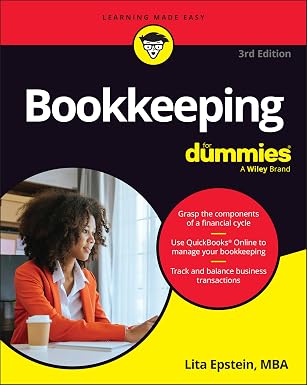
Bookkeeping For Dummies (For Dummies: Learning Made Easy)
A friendly, practical introduction to bookkeeping fundamentals - ledgers, journal entries, and everyday financial record-keeping made approachable for beginners.
Check Price
Laplink PCmover Ultimate 11 - Migration of your Applications, Files and Settings from an Old PC to a New PC - Data Transfer Software - With Optional High Speed Ethernet Cable - 1 License
Migrate your applications, files, and settings from an old PC to a new one automatically - with optional high-speed Ethernet cable support.
Check Price
QuickBooks Online Survival Guide for Beginners - 2026 Updated Edition: Step-by-Step Guide to Mastering QuickBooks Online, Fixing Common Errors, ... Accounting Experience for Small Business.
A step-by-step beginner's guide to mastering QuickBooks Online, fixing common errors, and running small-business accounting with confidence.
Check PriceRelated Articles
AI Marketing Platform for Bookkeeping Businesses
Looking for an AI marketing platform for a bookkeeping business that is simple and affordable? This guide explains the features that matter most, practical automation ideas, and how to choose a platform without overspending.
Read Article →Small Business Bookkeeping Checklist: 2026 Guide
Transitioning from financial chaos to operational clarity requires a disciplined tracking routine. Use this comprehensive checklist to standardize your bookkeeping workflows.
Read Article →Small Business Bookkeeping: A Complete Guide for Beginners
Transitioning from operational chaos to financial clarity starts with a disciplined tracking system. Discover the essential steps to mastering small business bookkeeping.
Read Article →